Every industrial listing in Mexico says Class A. Not all of them mean it. The label describes a real construction standard with numbers you can measure, and it is also two words that cost a broker nothing to type into a PDF.
(Class A is a specification, not a compliment. The building either has the clear height or it does not, and a tape measure has never once been impressed by a brochure.)
What Is Class A Industrial Space in Mexico?
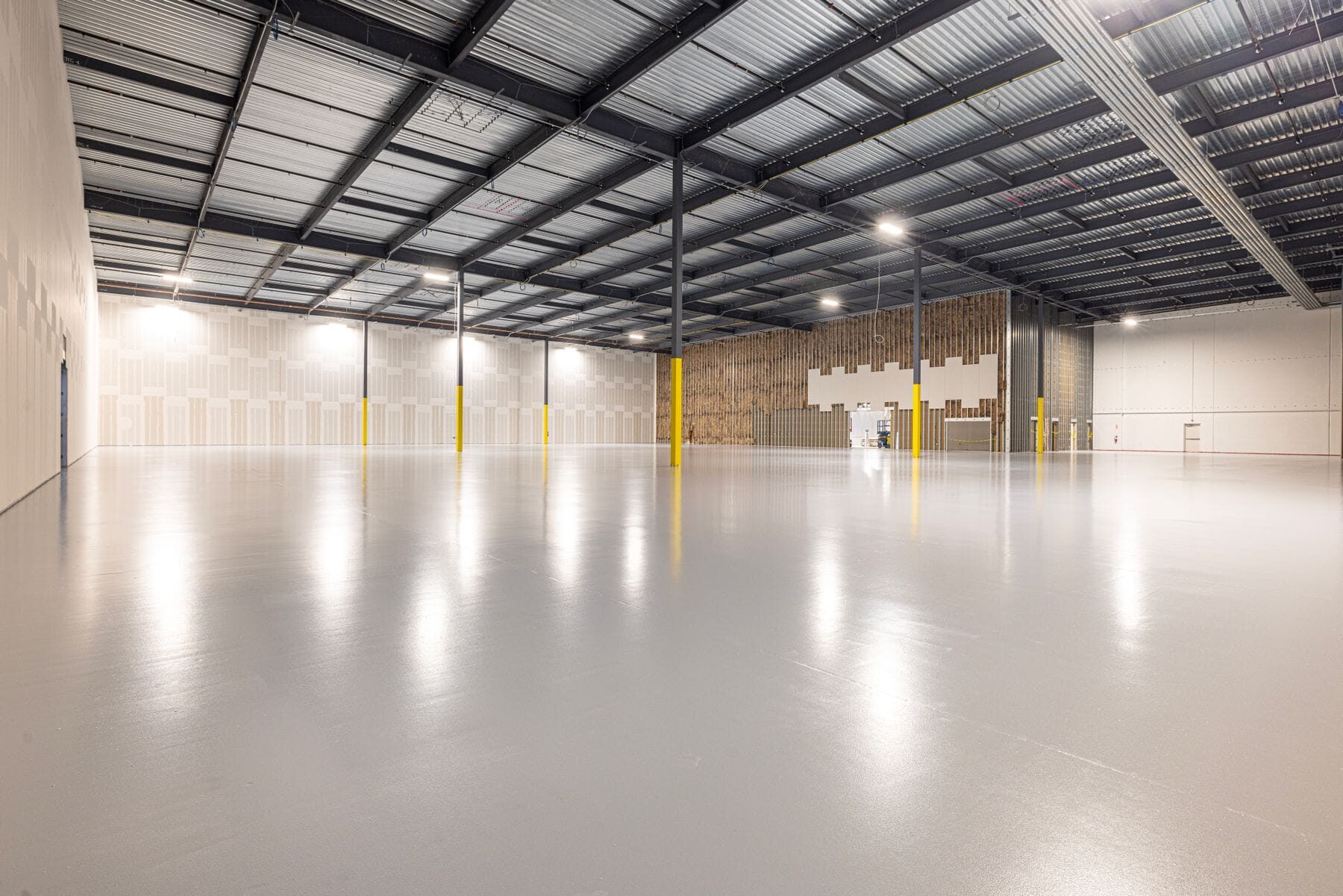
Class A industrial space in Mexico means a modern facility, generally built since the early 2000s and mostly after 2015, with clear heights of 8 to 12 meters, roughly one loading dock per 800 to 1,000 square meters, truck maneuvering yards over 35 meters deep, a tilt-up concrete or reinforced steel structure, and insulated roofing. It is the market’s current top construction tier.
We shortlist buildings for foreign manufacturers across Mexico’s industrial corridors, and every facility we put in front of a client has confirmed substation capacity before they ever see it. That habit exists entirely because of what the Class A label does not cover, which is most of this article.
The Specifications That Actually Put a Building in Class A
There is no government body issuing Class A certificates in Mexico. It is a market convention, which means the honest version of the label is a list of measurable specifications rather than a stamp. Here is what the tier generally requires, and more usefully, what each number does to you once you are operating inside the building.
| Specification | Class A standard | What it decides on the floor |
|---|---|---|
| Clear height | 8 to 12 meters | How many racking levels you get, and whether a mezzanine is ever possible |
| Loading docks | About one per 800 to 1,000 m2 | How many trailers you can actually turn in a shift |
| Truck maneuvering yard | Over 35 meters deep | Whether a full trailer can swing in, or has to back in from the street |
| Structure | Tilt-up concrete or reinforced steel | How hard it is to cut a new door or hang a crane later |
| Roofing | Insulated panels with translucent inserts | Your cooling load and how much daytime lighting you pay for |
| Age | Built since the early 2000s, mostly after 2015 | Newer slab, newer electrical, fewer inherited retrofits |
Those figures are the working consensus across the Mexican industrial market, and they line up with published Class A building criteria for Mexico. The broader A, B and C framework itself comes from standard industrial real estate classification, which grades on age, construction quality, and location.
Class B and Class C: What You Give Up and What You Save
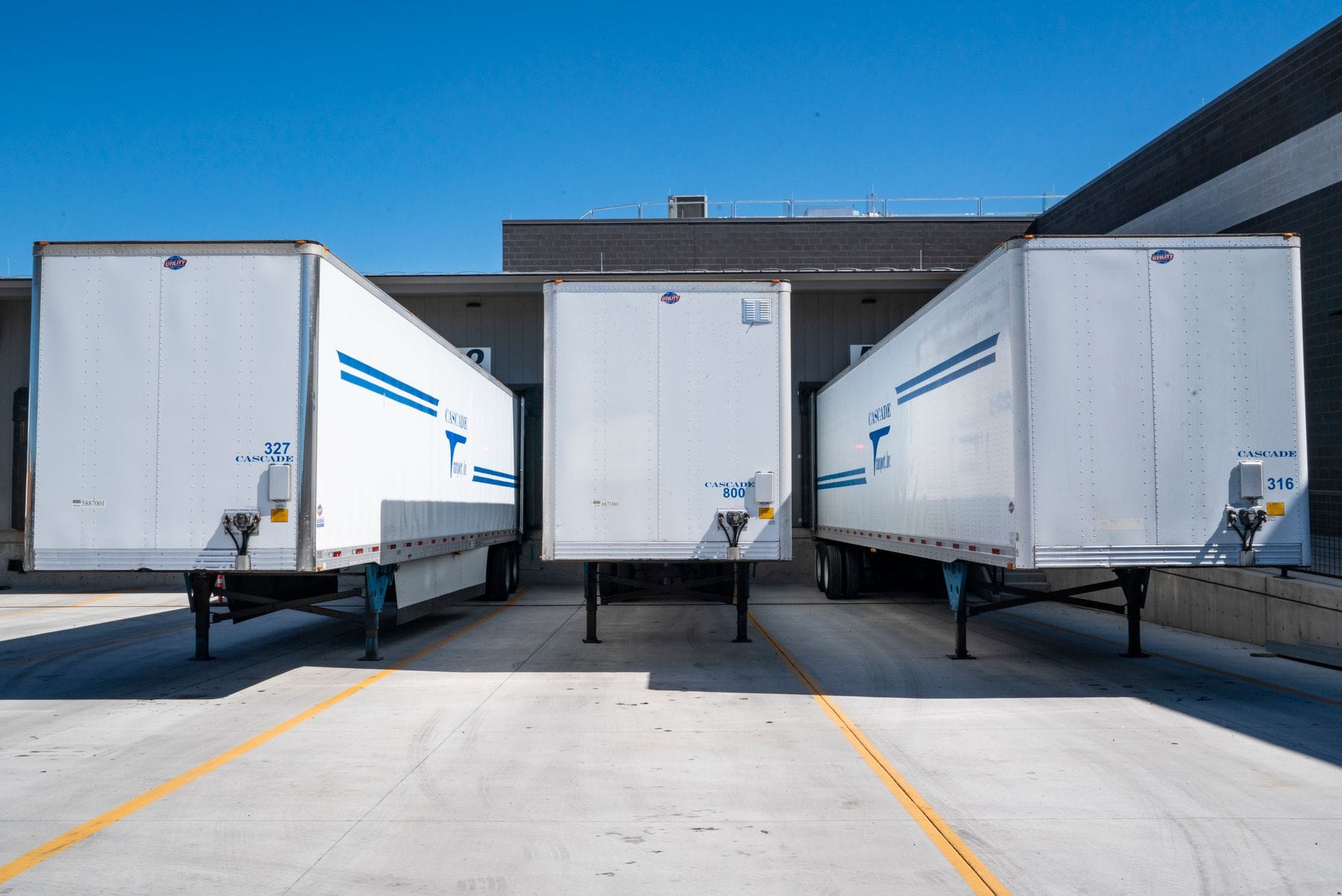
Class B is usually a generation older: lower clear heights, thinner slabs, fewer docks, and a truck court that was designed when trailers were shorter. It leases at a discount, and for the right operation that discount is free money rather than a compromise. A low-throughput assembly cell that ships two trailers a week does not need a dock ratio built for cross-docking.
Class C is older still, often converted, and usually the wrong answer for a foreign manufacturer setting up a first plant. The savings are real and so is the retrofit bill, and the retrofit bill tends to arrive after you have signed. Where Class B genuinely deserves a look is when your process is height-agnostic and your volume is modest. Our guide to leasing industrial space in Mexico covers how the lease terms shift between tiers.
What the Class A Label Does Not Guarantee
This is the part that costs money, and it is the reason a spec sheet is the beginning of diligence rather than the end of it. Class A grades the shell. It says nothing about whether the shell can be powered, watered, or permitted for what you intend to do inside it.
- Electrical capacity. A Class A building can sit in a park whose substation is already fully subscribed. The building is perfect. The feed is not available for eighteen months. Nothing on the spec sheet tells you this, and it is the single most common surprise we see.
- Water. Process water rights and municipal supply are separate questions from the building, and in several of Mexico’s fastest-growing corridors water is the binding constraint, not real estate.
- Land use and permits. The park’s zoning may allow warehousing but not your specific process, particularly anything with emissions, effluent, or hazardous materials handling.
- Floor slab for your equipment. Class A implies a modern slab. It does not certify that it will carry your specific presses, and a slab rated for racking is not automatically rated for a 200-ton machine.
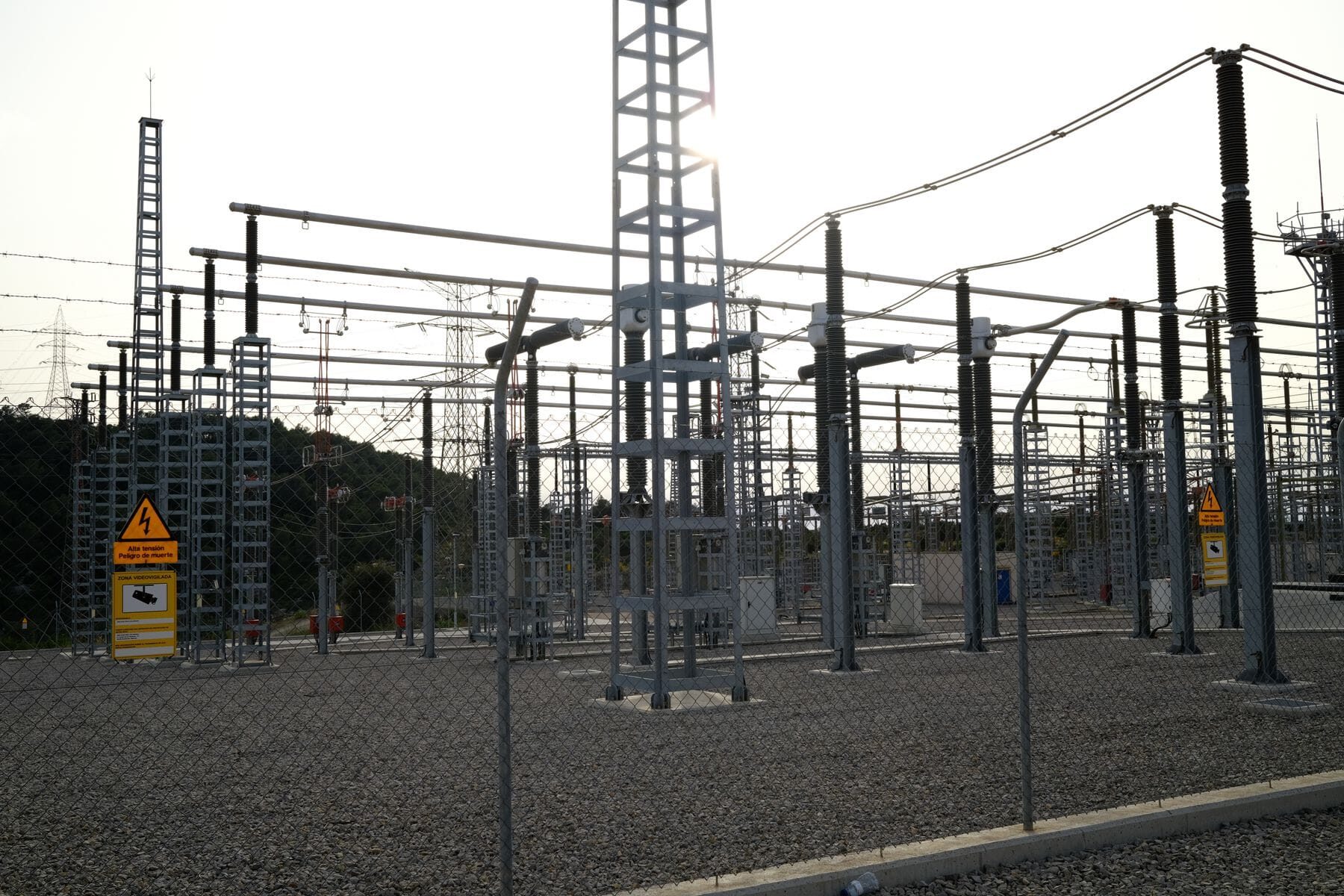
Verifying those four is a separate exercise from touring the building, and it is what industrial utilities diligence and a proper feasibility study are for.
How to Read a Spec Sheet Like Somebody Who Will Operate the Building
Brochures are written by people who will never work a shift in the building. Read them accordingly. Four questions turn a listing into a real shortlist, and none of them appear on the PDF.
- Is the clear height measured to the lowest obstruction? Clear height is measured to the lowest hanging thing, which is usually a sprinkler line or a light fixture, not the roof deck. Ask which one they measured to.
- What is the confirmed available power at the meter, today? Not the park’s total capacity. Not what is planned. What is contracted and available for your building.
- How deep is the truck court, and does it clear a 53-foot trailer? Under 35 meters and your drivers will be reversing off a shared road.
- What does the slab actually carry, and is there a report? A number in a brochure is marketing. A structural report is evidence.
If a landlord cannot answer question two in writing, that is the answer. Every facility on our available industrial facilities and available warehouses lists has been through exactly these four questions before it reaches a client, which is why the list is shorter than the market.
Working out which tier your process actually needs is cheaper than discovering it after the lease is signed. Send us your production envelope and we will score real buildings against it, power and water included, free of charge.
Frequently Asked Questions
What clear height is standard for Class A industrial space in Mexico?
Between 8 and 12 meters. Confirm whether the figure is measured to the roof deck or to the lowest obstruction such as a sprinkler line, because the difference can be close to a meter of usable racking height.
Is there an official Class A certification in Mexico?
No. No government body issues Class A certificates. It is a market convention describing a set of construction specifications, which is why the specifications matter more than the label itself.
What is the difference between Class A and Class B industrial buildings?
Class B is typically a generation older, with lower clear heights, thinner slabs, fewer loading docks and a shallower truck court. It leases at a discount, which suits operations with modest throughput and no need for height.
Does Class A guarantee enough electrical power for my plant?
No. Class A grades the building shell, not the utility feed. A Class A building can sit in a park whose substation capacity is already fully committed, so confirmed available power at the meter has to be verified separately and in writing.
Is Class A always the right choice for a first plant in Mexico?
Not always. Class A is the safer default because the shell is newer and the retrofit risk is lower, but a height-agnostic process with modest trailer volume can operate well in Class B and keep the rent difference.